SEWER LINE INSTALLATION: SIGN YOUR SEWER LINE NEEDS REPAIRS
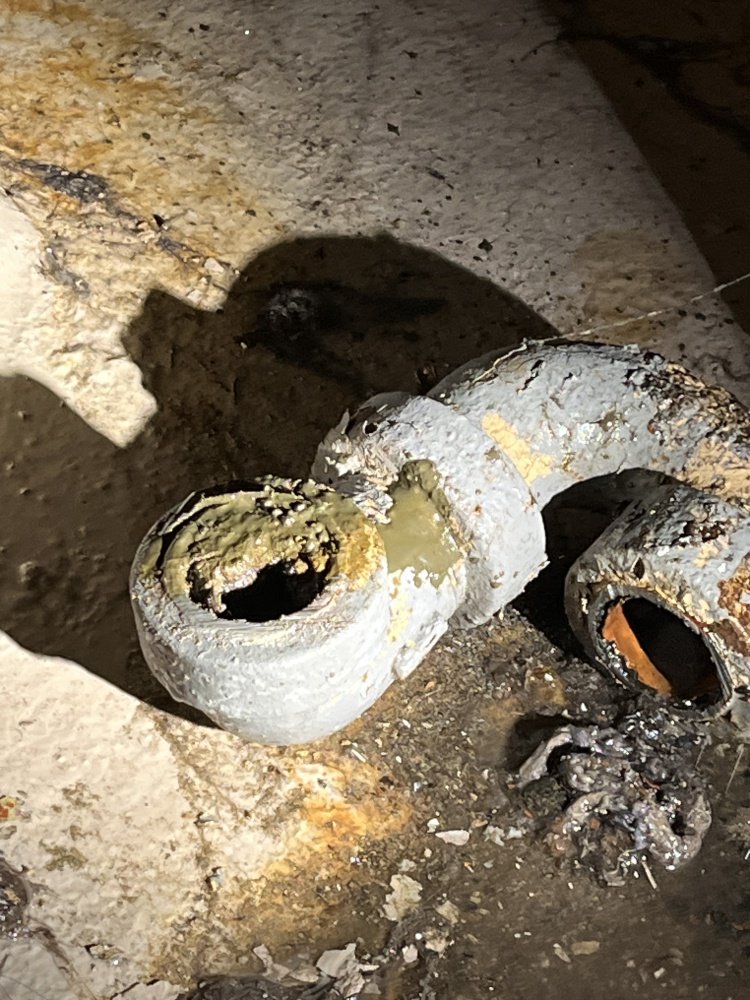
5 Signs of Sewer Line Problems in Portland Homes
Sewer Line Problems Can Start With Small Warning Signs
A sewer line problem does not always begin with a major sewage backup. Homeowners may first notice smaller warning signs such as slow drains, unusual gurgling sounds, sewer odors, or water backing up through a floor drain.
One slow drain does not necessarily mean there is a problem with the main sewer line. The issue may be limited to an individual fixture or branch drain.
However, when several drains are affected at the same time or the same problem keeps returning, the plumbing system may need a professional evaluation to determine where the blockage or damage is located.
For older homes in Portland, the condition and material of the existing drain and sewer piping can also be important when diagnosing recurring problems.
1. Sewer Odors Around Drains
Sewer odors inside a home should not be ignored, especially when the smell keeps returning or appears around multiple drains.
However, a sewer smell does not automatically mean the main sewer line is broken. The cause could be a dry P-trap, a venting issue, a loose connection, or a problem farther down the drainage system.
If the odor continues after basic plumbing issues have been ruled out, a professional evaluation can help determine where the problem is coming from.
2. Gurgling Toilets or Drains
A toilet or drain that gurgles when water is being used elsewhere in the house can be a warning sign of a drainage problem.
Gurgling sounds can occur when air is trapped or displaced because wastewater is not flowing properly through the drain system. This may be caused by a blockage, a venting issue, or a restriction farther down the line.
If several fixtures begin gurgling or the problem happens repeatedly, it may be time to have the drain system professionally evaluated.
3. Multiple Slow Drains
A single slow drain may be caused by a localized blockage near one fixture. When several drains in the home begin draining slowly at the same time, the problem may be farther down the drainage system.
For example, slow toilets, showers, and sinks occurring together can indicate a restriction in a larger drain or main sewer line.
Avoid relying on chemical drain cleaners for recurring problems. A professional drain evaluation can help locate the blockage and determine whether the line needs cleaning or further inspection.
4. Sewage Backups or Water Coming Up Through a Floor Drain
Water or sewage backing up through a floor drain is a strong sign that wastewater is not flowing properly through the drainage system.
This can happen when a main drain or sewer line becomes partially or completely blocked. In some homes, using a toilet, shower, or washing machine may cause water to appear at a lower floor drain.
A plumber can locate an appropriate cleanout, clear the blockage when possible, and determine whether additional inspection of the line is needed.
5. Recurring Drain or Sewer Problems
A drain that clogs once may only need routine cleaning. But when the same drain problems keep returning, there may be an underlying issue that needs further evaluation.
Recurring backups can be caused by buildup, roots, damaged piping, improper drainage, or problems with older sewer lines.
Depending on the situation, a plumber may recommend drain cleaning or a sewer camera inspection to better understand what is happening inside the line before recommending repairs.
Clogged Drain vs. Sewer Line Problems
Not every clogged drain means there is a problem with the main sewer line. If only one sink, shower, or toilet is affected, the blockage may be located in the individual fixture or branch drain.
A main sewer line problem may be more likely when several fixtures are affected at the same time, toilets begin gurgling, or wastewater backs up through a lower-level floor drain.
The location of the blockage should be determined before recommending a repair or sewer line replacement. In some cases, professional drain cleaning may solve the problem. In others, a sewer camera inspection may be needed to evaluate the condition of the line.
When Is a Sewer Camera Inspection Needed?
A sewer camera inspection can be useful when drain or sewer problems continue after the line has been cleared or when there is concern about the condition of the existing pipe.
The camera allows a plumber to inspect accessible portions of the sewer line for problems such as roots, cracks, damaged sections, buildup, or other conditions that may affect drainage.
A camera inspection is not necessary for every clogged drain. The first step is to evaluate the symptoms and determine where the problem is likely located.
For recurring main line problems, however, a camera inspection can provide valuable information before deciding whether additional cleaning or repairs are needed.
Have a Drain or Sewer Problem in Portland?
If you are experiencing recurring slow drains, gurgling toilets, sewer odors, or backups, these may be signs of sewer line problems that should be evaluated.
JAM Plumbing provides professional drain and plumbing services throughout the Portland metro area. Contact JAM Plumbing to schedule an evaluation and determine the right next step for your home.
Leave a Reply
Want to join the discussion?Feel free to contribute!