Drain Maintenance Treatment: How To, Guide
How to Prevent Clogged Drains: Drain Maintenance Tips for Portland Homes
Clogged drains are one of the most common plumbing problems homeowners deal with. A kitchen sink that starts draining slowly, a shower that holds water around your feet, or a bathroom sink that takes longer than usual to empty may seem like a small inconvenience at first.
But slow drainage can sometimes be an early warning that buildup is developing inside the drain line.
Good drain maintenance is not about constantly pouring products down your pipes. In many cases, the best approach is much simpler: keep materials that commonly cause blockages out of the drainage system, pay attention to changes in how fixtures drain, and address recurring problems before they become complete clogs.
For homeowners in Portland, especially those living in older homes, understanding what goes down the drains can help reduce unnecessary plumbing problems.
What Causes Household Drains to Clog?
Different fixtures develop clogs for different reasons.
A kitchen sink does not normally clog for the same reason as a shower, and a toilet blockage can be completely different from either one.
The location of the problem also matters. A single slow sink may indicate a localized blockage near that fixture, while several fixtures backing up at the same time can indicate a problem farther down the drainage system.
Understanding the symptoms can help determine whether you are dealing with normal buildup or something that deserves professional evaluation.
Kitchen Drain Maintenance
Kitchen drains handle food preparation, dishwashing, grease, soap, and many other materials every day. Because of that, they are particularly vulnerable to buildup.
One of the biggest problems is grease and cooking oil.
Grease may enter the drain as a liquid, but that does not mean it will remain a liquid as it travels through the piping. It can cool and accumulate along the inside of the drain line. Food particles and other debris can then stick to that buildup and gradually restrict the pipe.
Whenever possible, avoid putting cooking oil, grease, and fats into the kitchen sink.
Other materials that are better kept out of the kitchen drain include:
- Coffee grounds
- Eggshells
- Large food scraps
- Dough and flour mixtures
- Fibrous food waste
- Excess grease and oil
Even when a kitchen has a garbage disposal, it is better to remove as much solid food waste as practical before washing dishes.
A garbage disposal can break certain food waste into smaller pieces, but it does not make everything safe for the drainage system.
Bathroom Sink Drain Maintenance
Bathroom sinks frequently develop buildup from soap, toothpaste, hair, shaving residue, and personal-care products.
If a sink begins draining slowly, do not automatically assume that a major blockage exists deep inside the plumbing.
Sometimes debris has accumulated around the stopper or immediately below the drain opening.
Keeping the visible drain area clean and removing accessible hair and debris can help prevent some minor problems.
However, if the sink repeatedly slows down after being cleaned, there may be a buildup farther inside the drain line.
How to Help Prevent Shower and Tub Clogs
Hair is one of the most common causes of slow shower and bathtub drains.
Over time, hair can combine with soap residue and other material inside the drain. What begins as a small restriction can gradually become a blockage.
A simple drain screen or hair catcher can make a significant difference.
Clean the screen regularly rather than allowing hair and debris to wash farther into the plumbing.
If the shower begins draining slowly even though the drain opening is clean, the restriction may already be farther inside the pipe.
What Should Not Go Down a Toilet?
Toilets are designed primarily for human waste and toilet paper.
Many products marketed as convenient to flush can create problems in residential drainage systems.
Avoid flushing items such as:
- Paper towels
- Feminine hygiene products
- Cotton swabs
- Dental floss
- Diapers
- Cleaning wipes
- Other household waste
Even products labeled “flushable” may not break down in the same way as toilet paper.
The safest approach is to keep unnecessary solid materials out of the toilet.
Is Hot Water Good for Drain Maintenance?
Hot tap water can sometimes help move ordinary soap residue and light buildup through certain drain lines, but homeowners should not treat boiling water as a universal drain-cleaning solution.
Boiling water may not be appropriate for every plumbing system or piping material.
More importantly, hot water will not correct a physical obstruction, a damaged pipe, a drainage-system problem, or a significant accumulation farther down the line.
If a drain repeatedly becomes slow, simply flushing it with hot water may temporarily change the symptoms without addressing the actual cause.
What About Baking Soda and Vinegar?
Baking soda and vinegar are frequently recommended online as a homemade drain-cleaning solution.
The reaction may create bubbling and can help with odors or some light residue near the drain opening, but homeowners should have realistic expectations.
It is not a substitute for mechanically clearing a significant blockage.
If a drain is substantially restricted or repeatedly clogs, the problem may be further inside the drainage piping, where a homemade mixture is unlikely to solve it.
Be Careful With Chemical Drain Cleaners
Strong chemical drain cleaners are another common DIY approach, but they are not always the best answer to a clogged drain.
A chemical product may not remove the underlying cause of a recurring blockage, and using multiple products can create additional concerns for the homeowner and for anyone who later needs to work on the plumbing.
If you have already used a chemical drain cleaner and then call a plumber, let the plumber know what product was used.
For recurring or significant blockages, physically clearing and evaluating the drain is generally more useful than repeatedly pouring chemicals into the system.
Can You Use a Plunger on a Clogged Drain?
For certain simple blockages, a properly used plunger may help.
The important thing is recognizing when a simple attempt is not working.
If the drain clears and continues working normally, the problem may have been minor.
If it clears temporarily and becomes slow again shortly afterward, something else may be happening inside the drainage system.
Repeatedly having to plunge the same fixture is a sign worth paying attention to.
What About Using a Drain Snake?
Small household drain snakes can sometimes remove hair or debris located close to a fixture.
However, professional drain-cleaning equipment is different from the small tools typically sold for homeowner use.
The appropriate equipment depends on the size of the drain, location of the blockage, access to the piping, and what may be causing the restriction.
Improper use of drain-cleaning equipment can also damage fixtures or piping.
If you are unsure where the blockage is located or if the same problem keeps returning, a professional evaluation may be the better option.
Why Does My Drain Keep Clogging?
This is one of the most important questions homeowners should ask.
A drain that clogs once may simply have accumulated normal debris.
A drain that repeatedly clogs is a different situation.
Recurring drainage problems can sometimes be associated with:
- Heavy buildup inside the pipe
- Material repeatedly entering the drain
- A blockage farther down the line
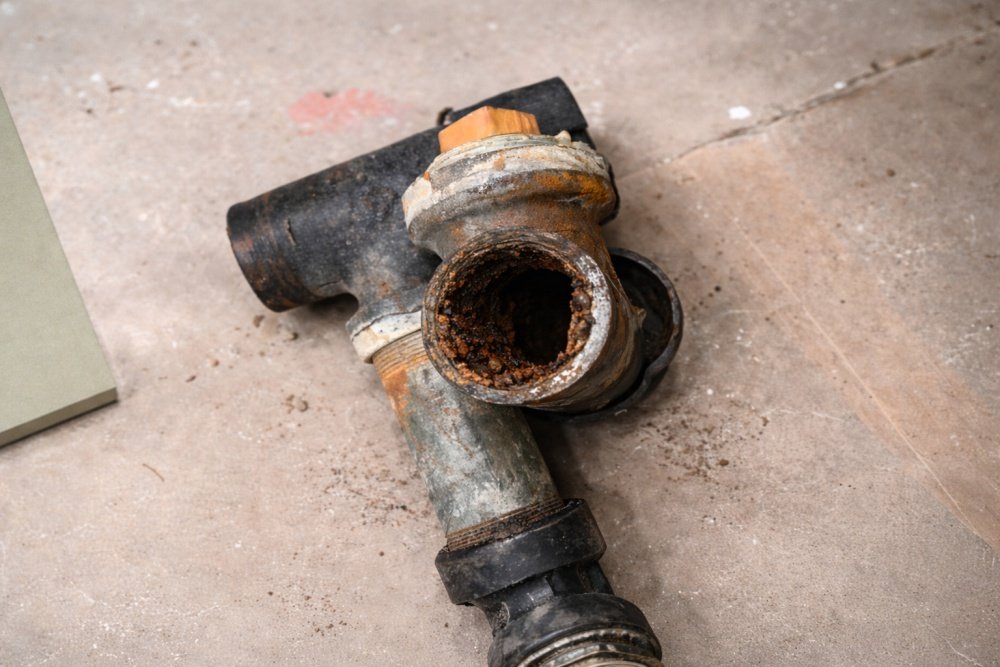
- Older or deteriorated drainage piping
- Improper drainage or venting conditions
- Problems affecting a larger section of the drainage system
The important point is that repeated clogs should not automatically be treated as separate, unrelated events.
If the same fixture keeps backing up, identifying why it is happening can be more valuable than simply clearing it again and again.
One Slow Drain vs. Multiple Slow Drains
The number of fixtures affected can provide useful information.
If only one bathroom sink is draining slowly while everything else in the house works normally, the problem may be close to that fixture.
But if a toilet, shower, and sink begin having drainage problems around the same time, the restriction may be affecting a shared portion of the drainage system.
Similarly, unusual gurgling or water appearing in another fixture when one fixture drains can be a reason to investigate further.
These symptoms do not automatically identify the cause, but they can help a plumber determine where to begin evaluating the system.
When Is a Camera Inspection Worth Considering?
A camera inspection is not necessary for every clogged sink or shower.
Many straightforward blockages can be cleared without one.
However, a camera inspection may become useful when a drain repeatedly backs up, when the cause is unclear, or when there is reason to evaluate the condition of an accessible drainage or sewer line.
The goal is not simply to use more equipment. The goal is to use the appropriate method for the problem.
A plumber should first consider the symptoms, location, plumbing configuration, and history of the issue before determining whether camera inspection makes sense.
Drain Maintenance in Older Portland Homes
Portland has many older houses, and some have drainage systems that have been repaired or modified several times over the years.
An older home may contain different piping materials, older fittings, previous repairs, or sections of plumbing that have been altered during remodeling.
That does not mean every older drain needs to be replaced.
It does mean that recurring drainage problems should be evaluated in the context of the entire plumbing system rather than assuming every clog is simply caused by something recently put down the drain.
Understanding the age, material, layout, and condition of the existing plumbing can help determine the appropriate next step.
When Should You Call a Plumber for a Clogged Drain?
Not every slow drain requires a plumber immediately.
Removing visible hair from a shower screen or using a plunger for a simple blockage may solve minor problems.
Professional drain cleaning should be considered when:
- A drain will not clear
- The same drain repeatedly clogs
- Several fixtures are draining slowly
- Water backs up into another fixture
- You hear unusual gurgling from multiple drains
- There is a significant or recurring blockage
- You are unsure where the problem is located
The goal should be to determine what is causing the drainage problem and use the appropriate method to correct it.
Professional Drain Cleaning in Portland, Oregon
Preventive habits can reduce many common household drain problems, but no maintenance routine can prevent every blockage.
When a drain becomes clogged, JAM Plumbing PDX can evaluate the problem and determine the appropriate approach based on the location and symptoms.
Depending on the situation, professional drain cleaning may involve mechanically clearing the affected drain and evaluating whether additional investigation is appropriate.
If you are experiencing a slow or clogged kitchen sink, bathroom sink, shower, tub, or other residential drain, learn more on our Drain Cleaning & Unclogging Services in Portland page or contact JAM Plumbing PDX to schedule service.
This article provides general information about residential drain maintenance. Plumbing systems and drainage problems vary by property, and an on-site evaluation may be necessary to determine the cause of a recurring or significant blockage.
Leave a Reply
Want to join the discussion?Feel free to contribute!